



The science

About Stem Cells

Stem cells are the body's natural repair system. They renew tissue, calm inflammation, and help the body recover from injury and ageing. Here's a clear look at what they are, how they're sourced, and how they're used in regenerative medicine.

The basics

The Body's Repair Cells

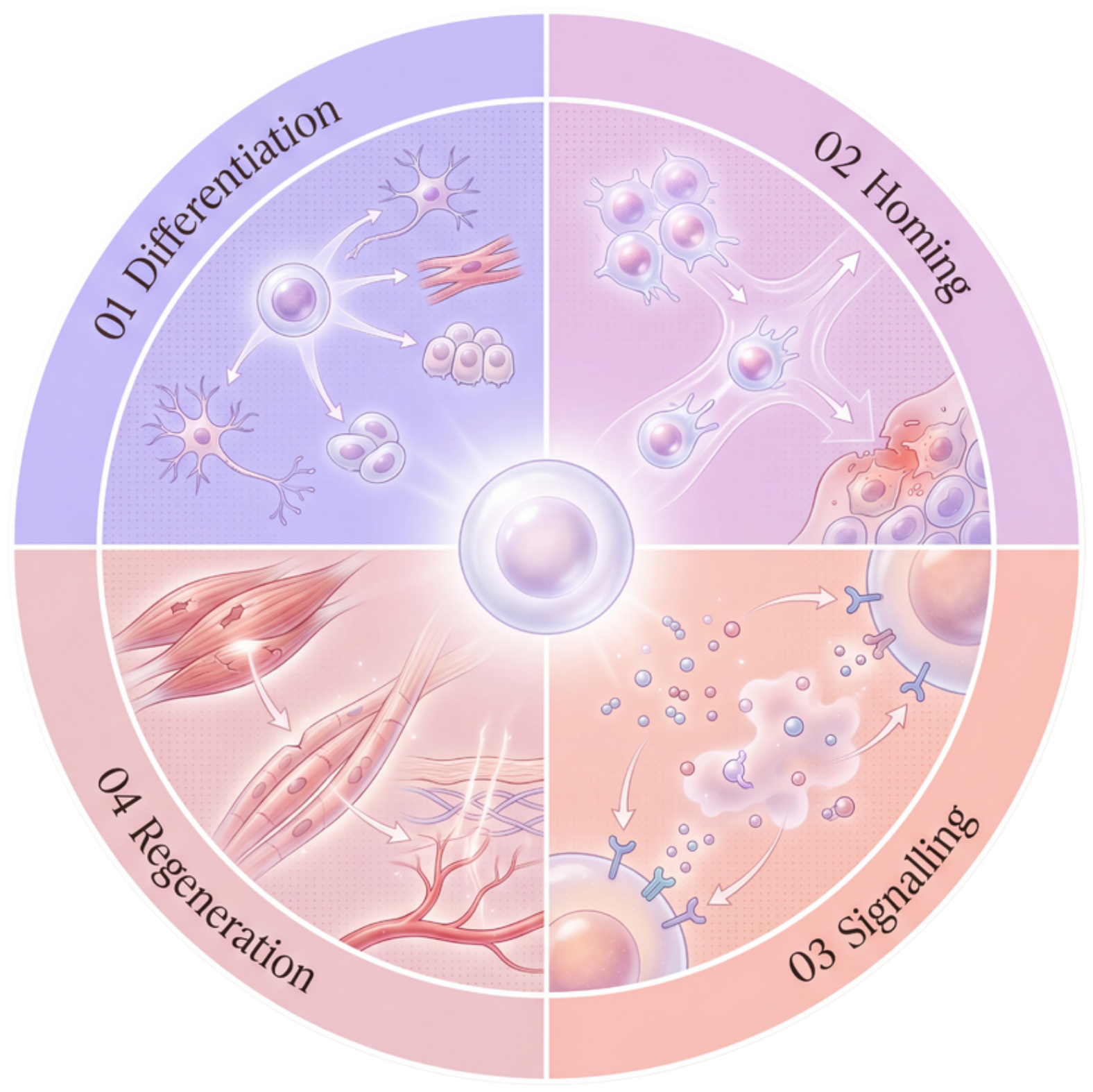
Unlike specialised cells that perform a single role, stem cells stay flexible. Four core mechanics make them uniquely powerful in regenerative medicine.

Four mechanics of stem cells: Differentiation, Homing, Signalling, Regeneration
01 · Differentiation

Becoming what's needed

Stem cells are not fixed to a single purpose. They can develop into specialised cell types including cartilage, bone, muscle, nerve, and skin, adapting to replace precisely what the tissue has lost.

02 · Homing

Finding the source

Stem cells actively migrate toward sites of injury and inflammation, drawn by the chemical signals that damaged tissue releases.

03 · Signalling

The healing message

Stem cells release growth factors and cytokines that calm inflammation and instruct surrounding cells to begin repair. This paracrine effect is often the most powerful mechanism, as it amplifies the body's existing healing response rather than replacing it.

04 · Regeneration

Renewal from within

As stem cells take effect, damaged tissue gradually rebuilds. Cartilage density increases, connective tissue repairs, and chronic inflammation subsides. Patients typically report improved range of motion, reduced pain, and a return of physical function that had been progressively lost.

Reference

  1. Caplan AI, Correa D. "The MSC: An Injury Drugstore." Cell Stem Cell. 2011;9(1):11–15.

Applications

Potential of Stem Cell Therapy

By replenishing the body's natural repair cells, stem cell therapy helps restore its ability to heal, recover, and renew from within.

Orthopaedic

Joints, Cartilage & Mobility

Cartilage has limited natural repair capacity. Stem cell therapy targets affected joints directly, reducing inflammation and supporting tissue repair. Commonly explored for arthritis, sports injuries, and age-related joint degeneration.

Stem cell therapy for joints, cartilage and mobility — active lifestyle after treatment
Immune

Immune Regulation & Inflammation

Chronic inflammation drives nearly every age-related condition. Stem cells modulate the immune system through paracrine signalling, reducing inflammatory markers and resetting the body's baseline over time.

Stem cell therapy for immune regulation and inflammation control
Aesthetics

Skin, Hair & Radiance

Stem cells support the renewal of skin cells, collagen production, and hair follicle health. Clients often report improvements in skin texture, elasticity, and overall radiance — visible results from biological repair at the cellular level.

Radiant skin and hair as a result of stem cell therapy
Neurological

Cognitive Health & Neuroprotection

Emerging research suggests stem cells may protect existing neurons, reduce neuroinflammation, and slow age-related cognitive decline. Studies are ongoing across conditions including early neurodegeneration.

Stem cell therapy for cognitive health and neuroprotection — mental sharpness
Longevity

Cellular Vitality & Longevity

Stem cell numbers decline naturally with age. Replenishing this supply supports tissue maintenance, metabolic function, and biological resilience. Many clients report improved energy, sleep quality, and physical recovery.

Stem cell therapy for cellular vitality and longevity — active ageing

References

  1. Orthopaedic — Lamo-Espinosa JM et al. "Intraarticular injection of two different doses of autologous bone marrow mesenchymal stem cells versus hyaluronic acid in the treatment of knee osteoarthritis." J Transl Med. 2016;14(1):246.
  2. Immune — Uccelli A, Moretta L, Pistoia V. "Mesenchymal stem cells in health and disease." Nat Rev Immunol. 2008;8(9):726–736.
  3. Aesthetics — Hassan WU, Greiser U, Wang W. "Role of adipose-derived stem cells in wound healing." Wound Repair Regen. 2014;22(3):313–325.
  4. Neurological — Uccelli A et al. "Neuroprotective features of mesenchymal stem cells." Best Pract Res Clin Haematol. 2011;24(1):59–64.
  5. Longevity — López-Otín C et al. "The hallmarks of aging." Cell. 2013;153(6):1194–1217.

Stem cell therapy continues to be studied across these areas and is not a guaranteed cure for any condition. Outcomes vary from person to person, and benefits may be partial, gradual, or not realised at all. Suitability, realistic expectations, and any potential risks are reviewed openly with you during a specialist consultation before treatment is considered.

The Source

Where Stem Cells Come From

Therapy uses one of two sources. Both deliver mesenchymal stem cells, the type most studied for regenerative medicine. The choice depends on timeline, availability, and the condition being treated.

Your own cells

Autologous

Harvested from your body, cultivated, then returned
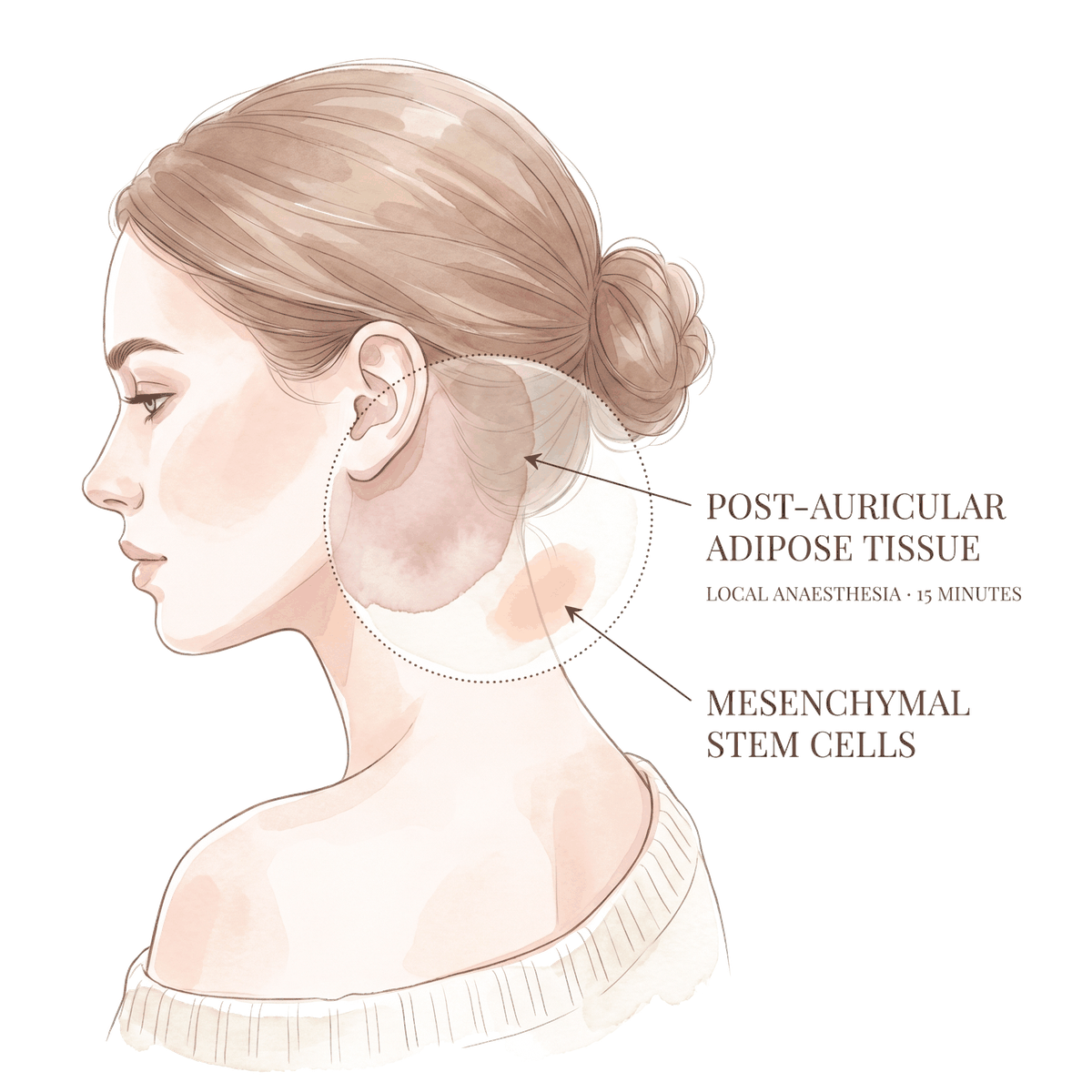
Illustration of post-auricular adipose tissue harvest site for autologous stem cell therapy

A small sample of adipose (fat) tissue is collected under local anaesthesia. The procedure takes around 15 minutes and is generally painless. The harvested cells are cultured for at least one month before being infused back during a follow-up visit.

Harvest time

~15 minutes

Culture period

~1 month

Visits required

Two trips

Rejection risk

None
Meet our Tokyo partner clinic
Donor cells

Allogeneic

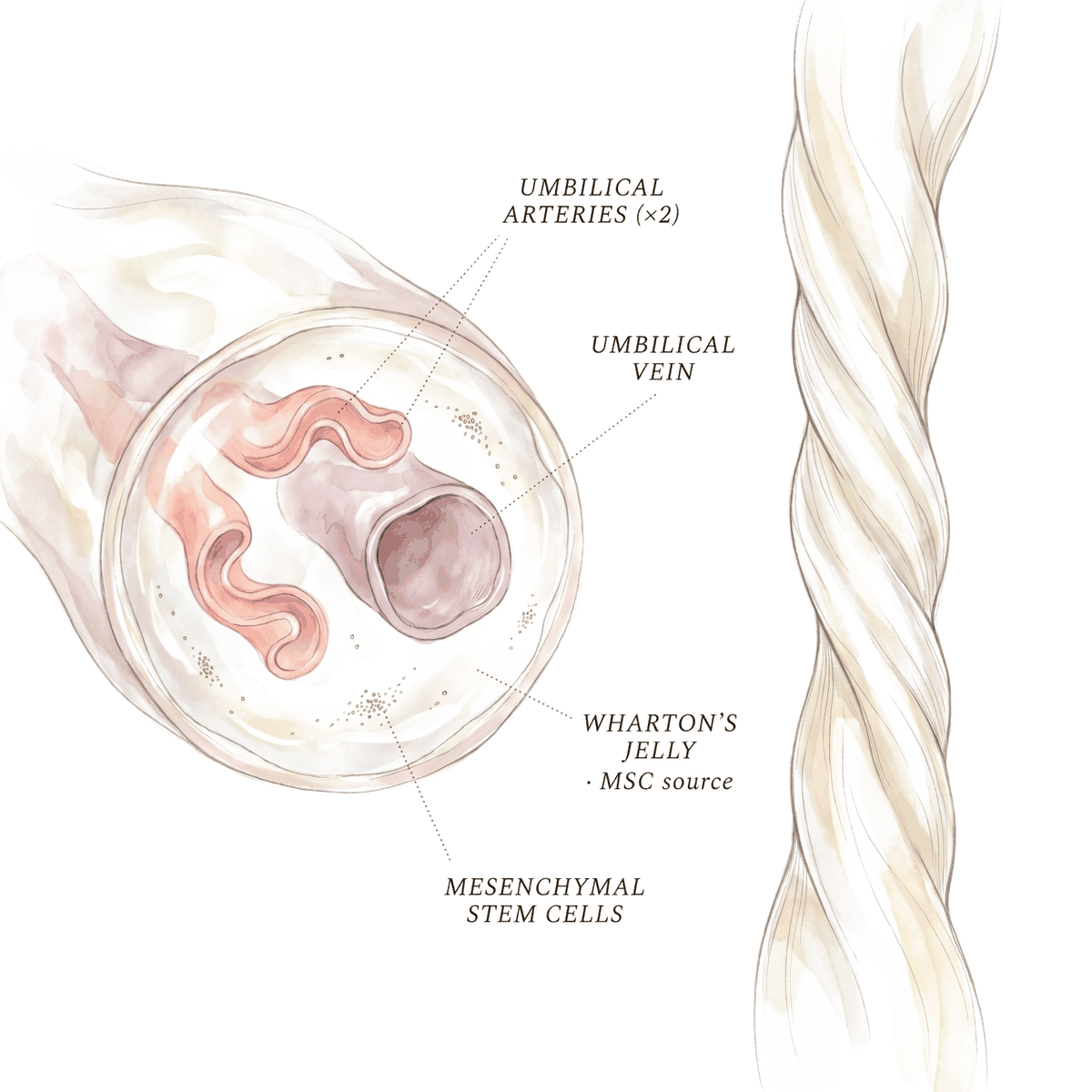
From the umbilical cord of a healthy newborn

Cross-section illustration of umbilical cord showing Wharton's jelly, vein, arteries, and mesenchymal stem cells

Cells are collected from the Wharton's jelly of a newborn's umbilical cord, then cultured under strict protocols and stored cryogenically at -195°C. They are immediately available, with consistent, standardised potency and no waiting period.

Harvest time

Pre-collected

Wait period

None

Visits required

One trip

Cell potency

Standardised

Reference

  1. Mushahary D et al. "Isolation, cultivation, and characterization of human mesenchymal stem cells." Cytometry A. 2018;93(1):19–31.

The journey

From Consultation to Infusion

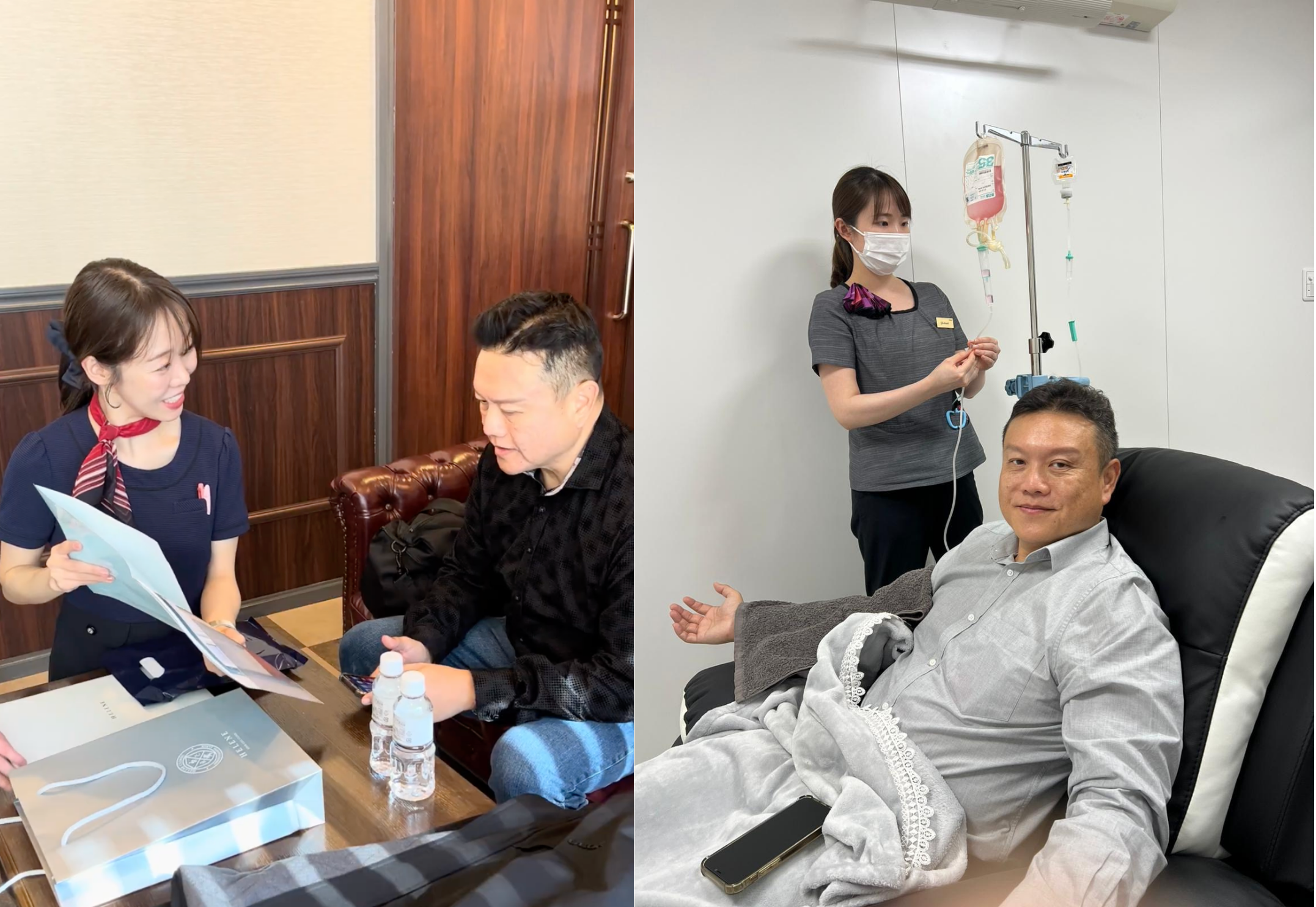
Consultation and stem cell infusion at Helene Clinic, Tokyo

Each source follows a different path. Autologous involves two visits across roughly a month. Allogeneic is completed in a single day.

Autologous Path

Clinic Location: Tokyo, Japan

1

Health screening

A comprehensive review of medical history and current health to confirm suitability.

2

Specialist consultation

Consult with a regenerative medicine specialist to review your eligibility and clear any doubts.

Japan
3

Cell harvest

A 15-minute adipose tissue collection under local anaesthesia at the partner clinic in Tokyo.

4

Cultivation

Cells are cultured in a GMP-compliant laboratory until the target quantity is reached.

Japan
5

Infusion

Within a 5-year window from harvest, return for the IV infusion. One month's notice is required to schedule.

Total time: 1–3 months

Allogeneic Path

Clinic Location: KL, Malaysia

1

Health screening

Medical history review and pre-treatment assessment by the partner clinic team.

2

Specialist consultation

One-on-one with a regenerative medicine specialist to confirm the protocol on arrival.

Malaysia
3

Single-day infusion

Pre-cultured umbilical cord cells are administered the same day. Most travellers fly home within 24 hours.

Total time: Within a day
See our partner clinics

Ready to Renew Your Health?

Speak with our concierge team. We'll walk you through the science, the sources, and which path makes sense for your goals.