Government-recognised
We do not work with facilities operating outside national regulatory and licensing requirements.
Designed to better protect healthy tissue, proton therapy delivers highly targeted radiation that stops at the tumour, helping reduce unnecessary radiation exposure and potential side effects. Delivered using Singapore's only Varian ProBeam Compact system.
Operated by Singapore Institute of Advanced Medicine 🇸🇬
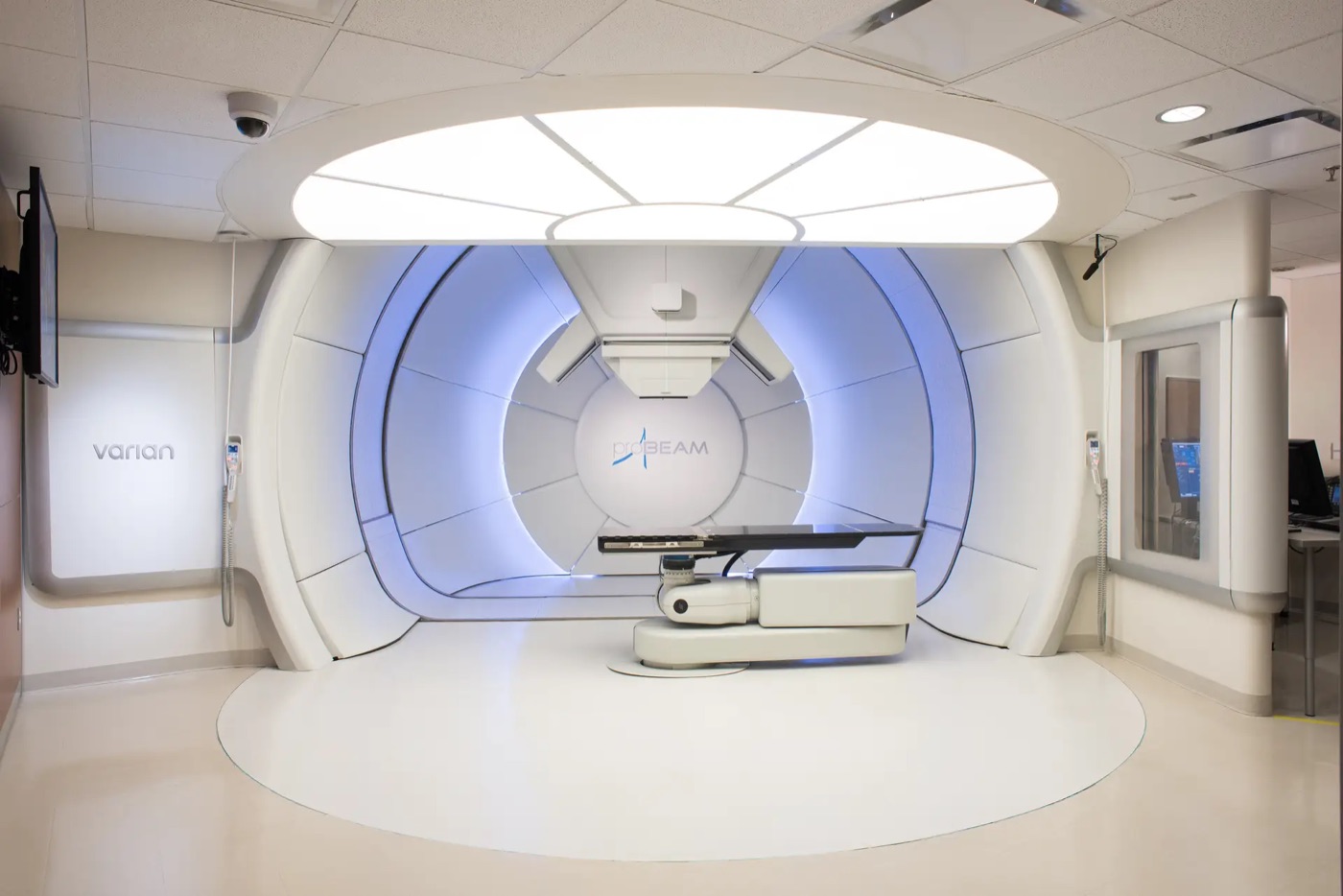
One of Southeast Asia's only proton beam therapy centres. Unlike conventional radiation, proton therapy delivers its energy directly at the tumour and stops — protecting the healthy tissue around it and reducing the risk of side effects. Powered by Singapore's only Varian ProBeam Compact system, with millimetre-precise targeting and a 360° rotating gantry for full treatment flexibility.
Reduced Side Effects Because proton therapy spares the tissue beyond the tumour, patients typically experience lower rates of radiation-related side effects — making it particularly well-suited for cancers near critical structures like the brain, spine, or heart.
Advanced Technology Powered by one of the region's most advanced proton therapy systems. Operating since 2023, the centre is equipped with the Varian ProBeam Compact system, enabling highly precise treatment delivery supported by rigorous operational and quality standards.
Specialist-Led Care Delivered by a dedicated team of radiation oncology specialists.
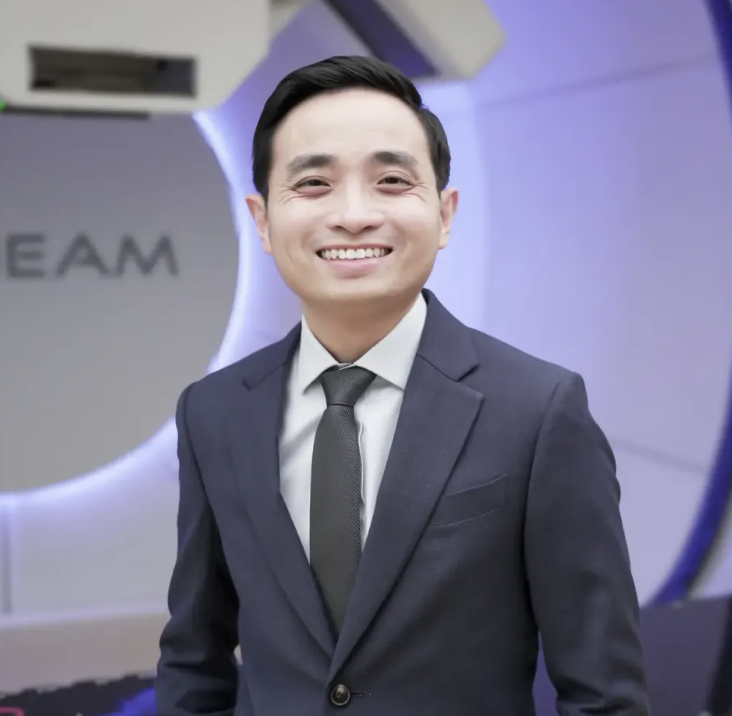
Dr Shaun Ho Zhirui
Medical Director & Senior Consultant Radiation Oncologist · FRCR (UK) · FAMS · Fellowship at UCLH · Proton training in Japan & Taiwan

Dr Wong Ru Xin
Senior Consultant Radiation Oncologist · FRCR · Paediatric proton therapy trained in the USA · KK Women's & Children's Hospital
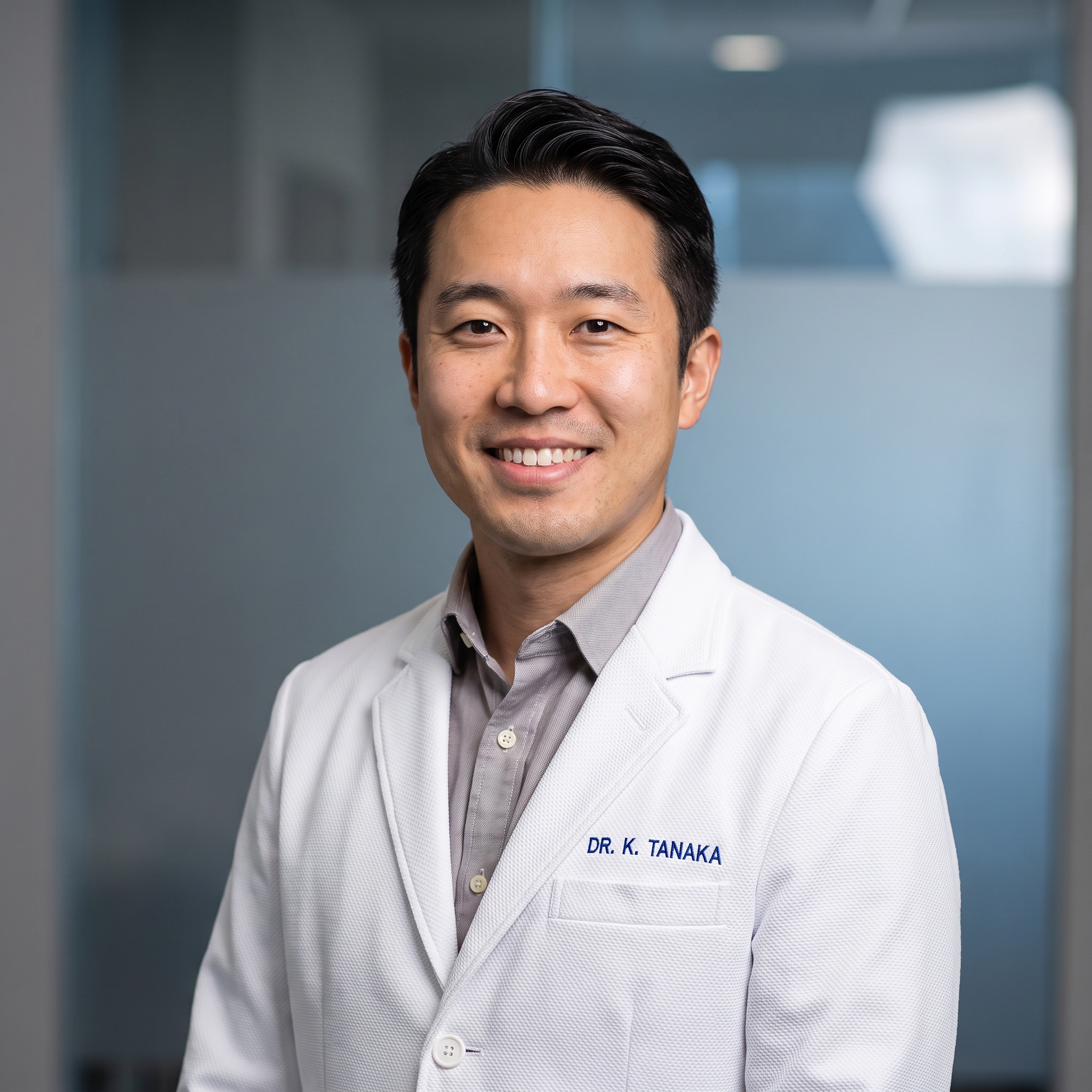
Dr Brendan Chia
Radiation Oncologist · FRCR · Proton fellowship in Italy & Japan · Consultant, National Cancer Centre Singapore
Proton therapy is generally recommended where sparing surrounding tissue matters most:
Suitability for proton therapy is determined by a radiation oncologist based on tumour type, location and stage — not every cancer benefits more from protons than conventional radiotherapy.
Packages start from SGD 40,000; a full course (typically 20–42 sessions) can range toward SGD 100,000 depending on cancer type, dose and number of fractions.
Final pricing depends on your oncologist's treatment plan. Figures above are indicative market ranges, not a quote — confirm directly with the clinic before committing.
Exploring proton therapy for a cancer diagnosis? Book a 15-minute discovery call to see if this is the right path.
Schedule a consultation
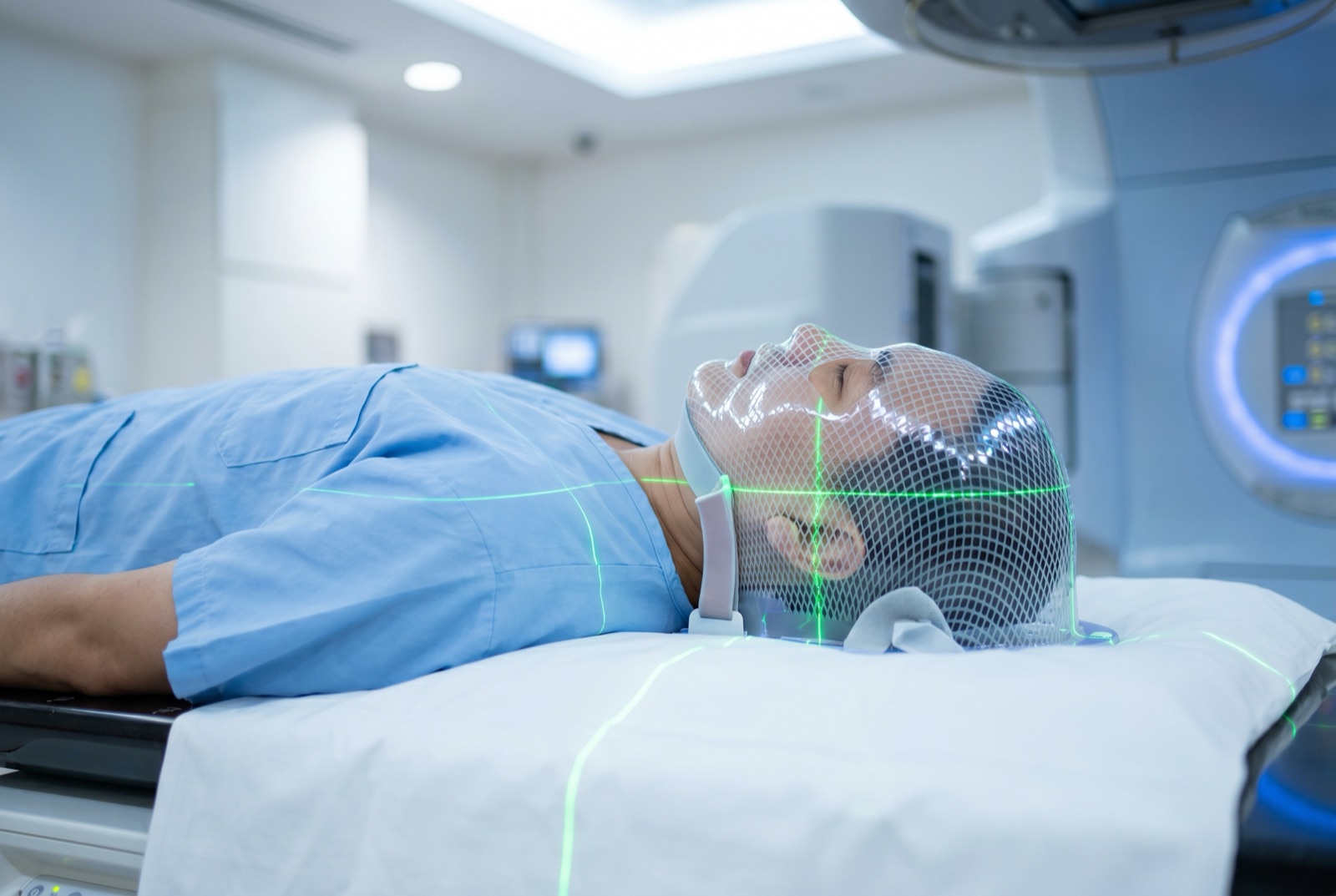
How it works
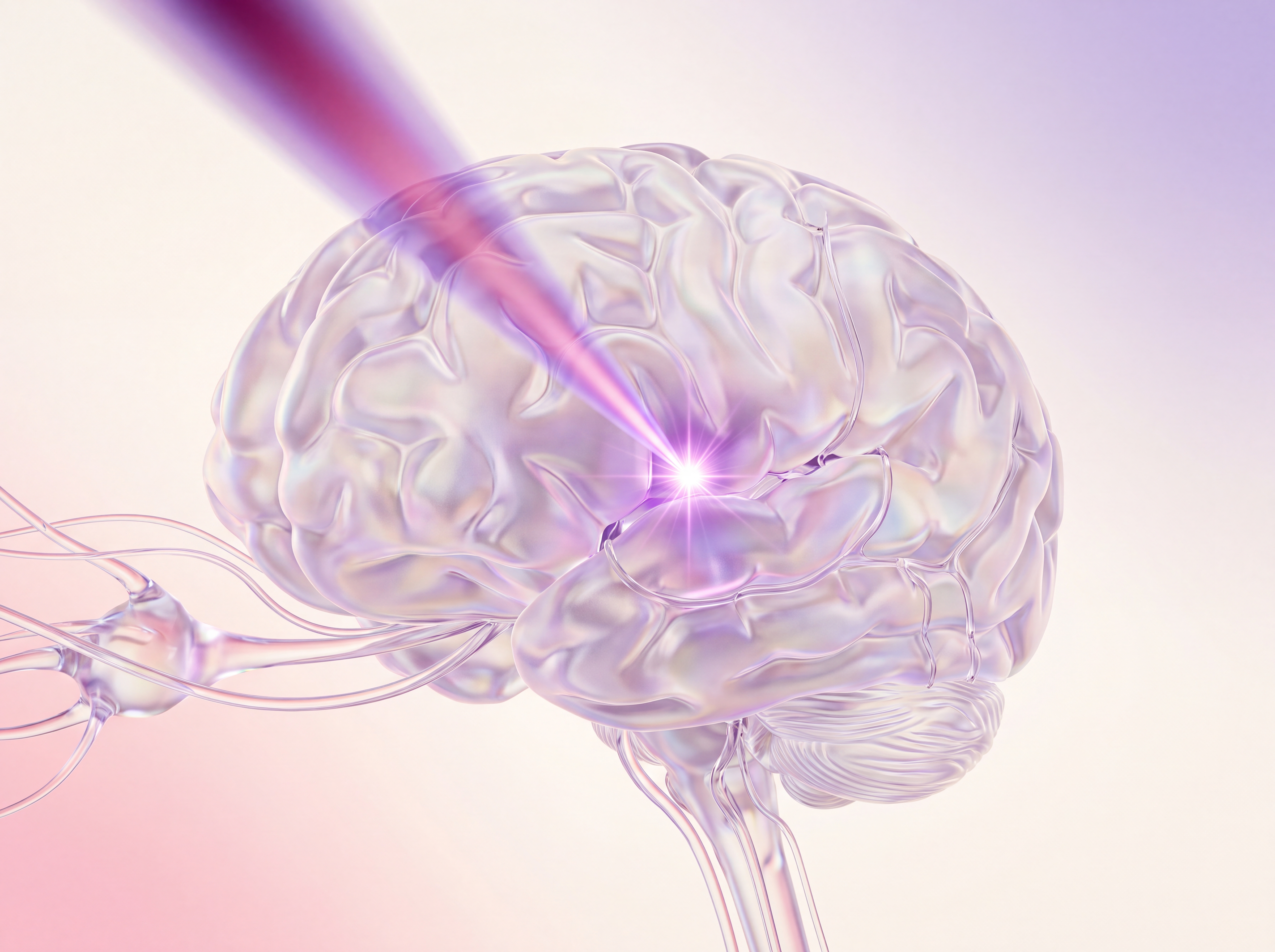
Proton therapy is designed to deliver radiation directly to the tumour while reducing unnecessary exposure to surrounding healthy tissues. This is particularly important for tumours near critical structures such as the brain, spinal cord, eyes, heart, or lungs.
The Science
Proton beams release most of their energy at a precise depth known as the Bragg Peak. This allows radiation to be concentrated within the tumour while reducing exposure to healthy tissue beyond it.
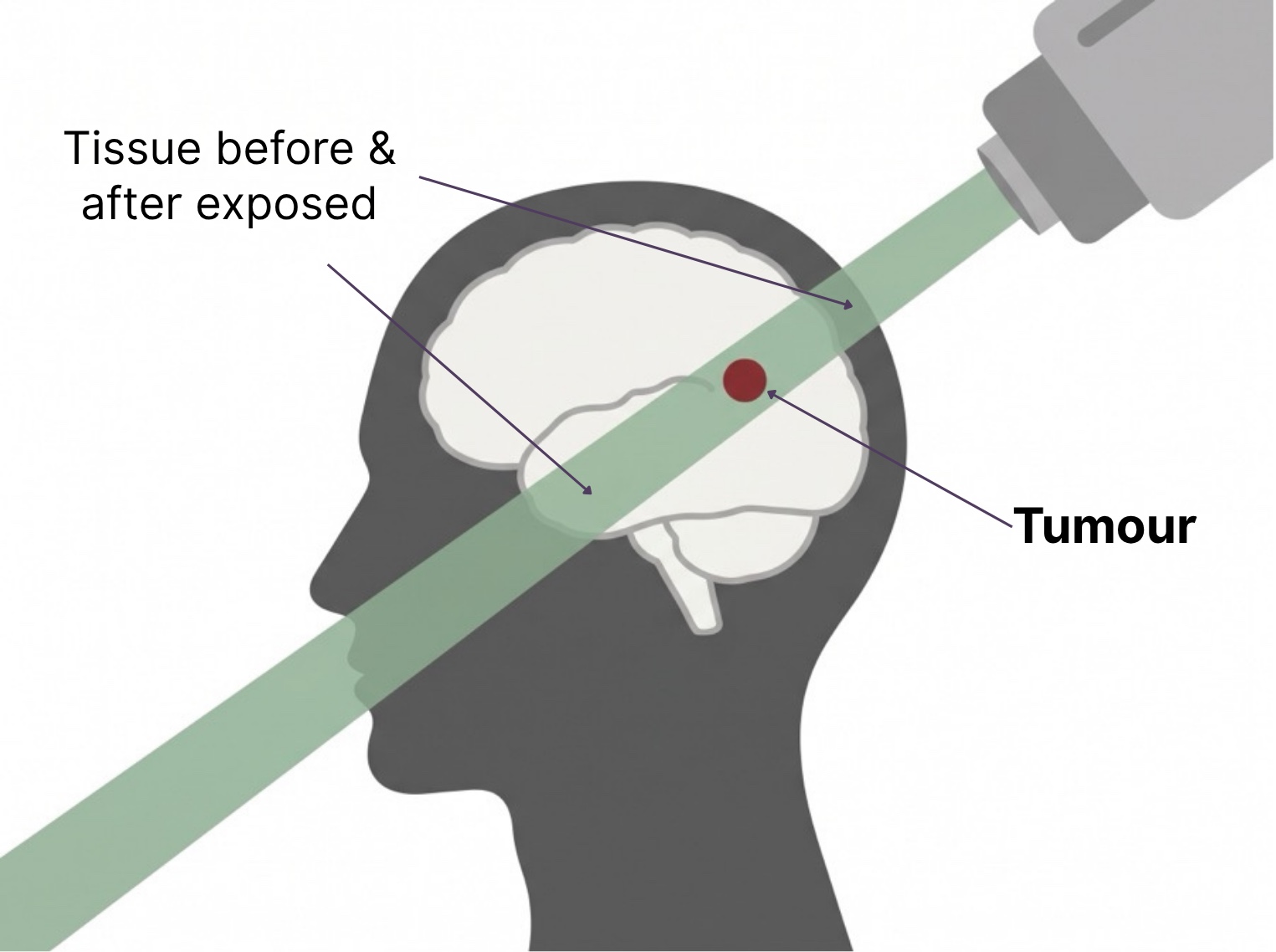
Standard Radiotherapy
Radiation continues beyond the tumour
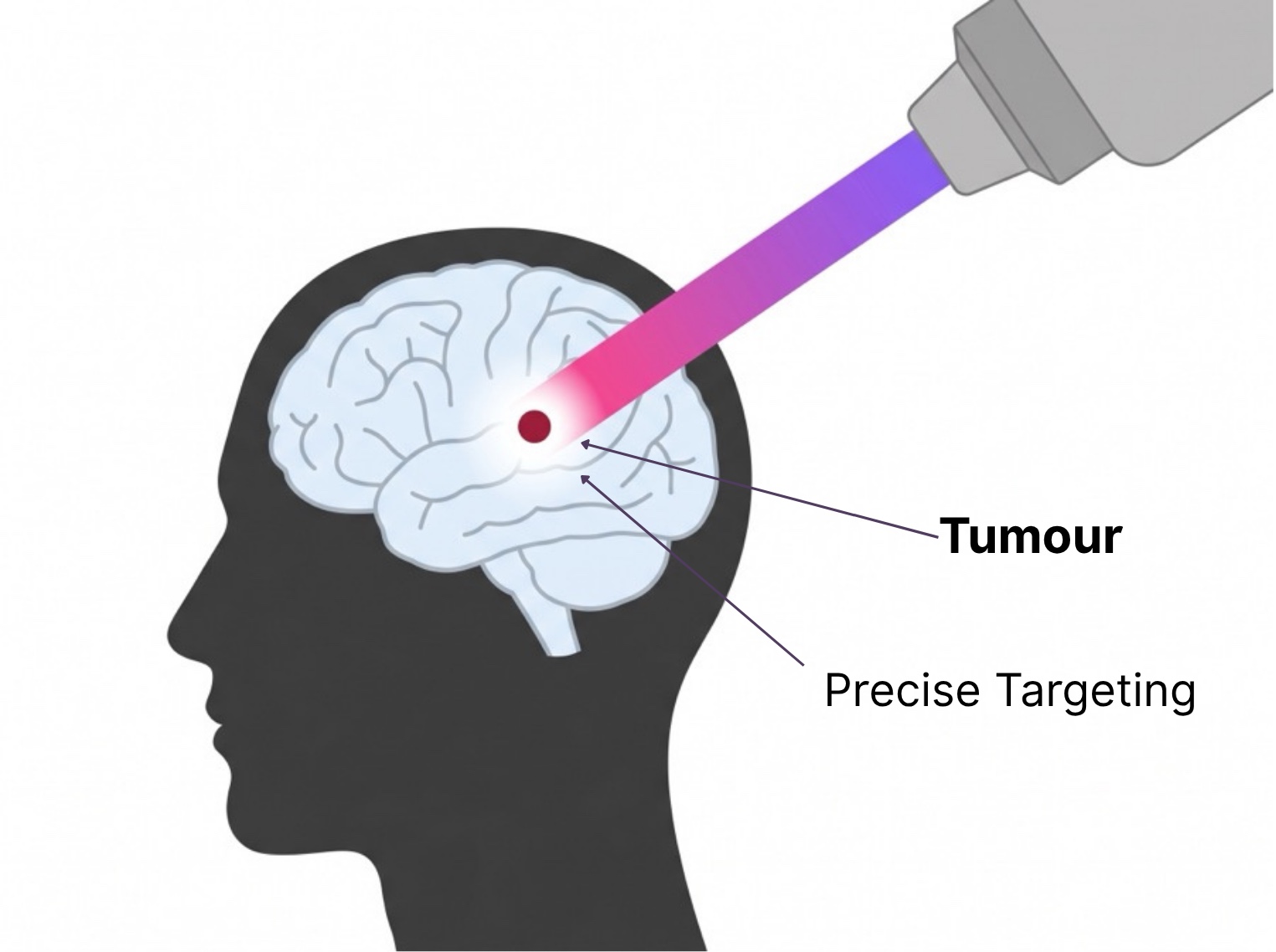
Proton Therapy
Delivers dose with greater precision
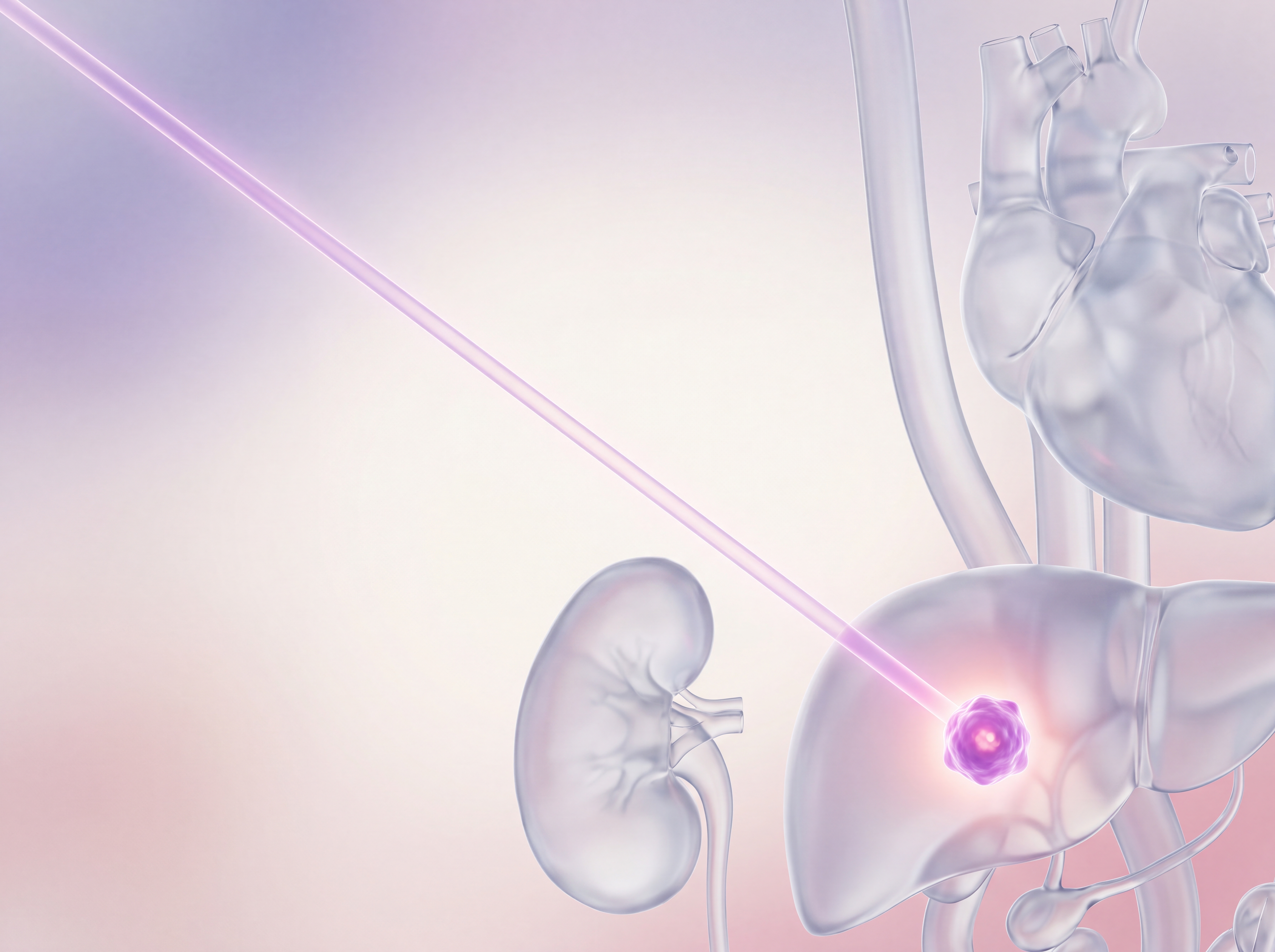
Healthy Tissue Protected
Less radiation reaches critical organs surrounding the tumour.
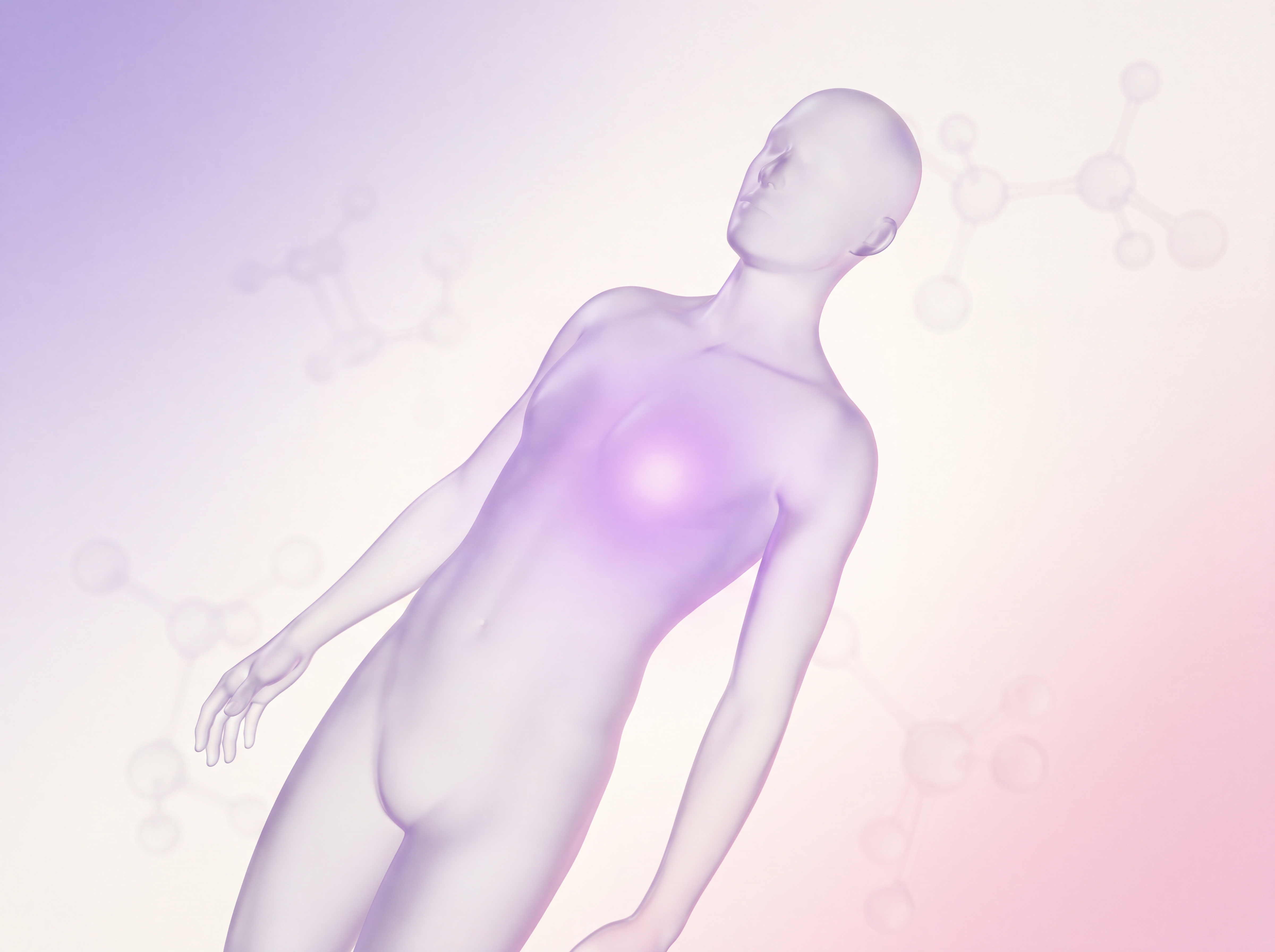
Reduced Side Effects
Lower exposure may reduce certain treatment-related complications.
Ideal for Complex Tumours
Particularly valuable when tumours are located near sensitive structures such as the brain, spinal cord, eyes, heart, or lungs.
Who may be suitable for proton therapy?
Young & Paediatric Patients
Children face a higher lifetime risk of secondary cancers from radiation — proton therapy significantly reduces that exposure.
Radio-Resistant Tumours
Dose escalation is needed for tumours like chordoma and chondrosarcoma — proton therapy allows this without increasing harm to nearby tissue.
Complex Tumour Locations
Tumours near critical structures — brain, head & neck, liver, oesophagus — where sparing healthy tissue is essential.
High Collateral Risk
When conventional radiotherapy would cause significant dose spread to surrounding organs, e.g. cranio-spinal irradiation.
Suitability is guided by the Ministry of Health's approved list of indications for proton beam therapy.
For all patients
For patients younger than 25 years old
Proton therapy decreases the overall radiation dose to the brain compared with traditional radiotherapy — sparing surrounding healthy brain tissue.
Proton therapy reduces the dose delivered to the oral cavity, lowering the risk of requiring a feeding tube during treatment.
For all patients
For patients younger than 25 years old
Two of our radiation oncologists were paediatric proton therapy trained in the United States: Dr Looi Wen Shen and Dr Wong Ru Xin.
Central & peripheral nervous system
Musculoskeletal
Other
Requires a specialised tumour board to approve.
The categories above reflect the Ministry of Health's approved list of indications for proton beam therapy in Singapore, used for MediShield Life claim eligibility.
Fortunately, the Ministry of Health has made a provision for treatment outside of this list; proton therapy providers may convene an ethics board discussion to facilitate this. We currently have an active workflow at Singapore Advanced Medicine for this purpose.
View the MediShield Life eligibility criteria for Proton Beam Therapy on the MOH website →
How we vet
We do not work with facilities operating outside national regulatory and licensing requirements.
Singapore's first proton beam therapy centre, operating since May 2023 with hundreds of patients treated. Not a new or unproven facility.
Treatments are delivered by a dedicated radiation oncology team of board-certified specialists.
You pay the clinic directly at the exact rate they set, with no markups added.
Speak with our team about whether proton beam therapy is the right path for your diagnosis. We'll help you understand suitability, cost and next steps before you commit to anything.